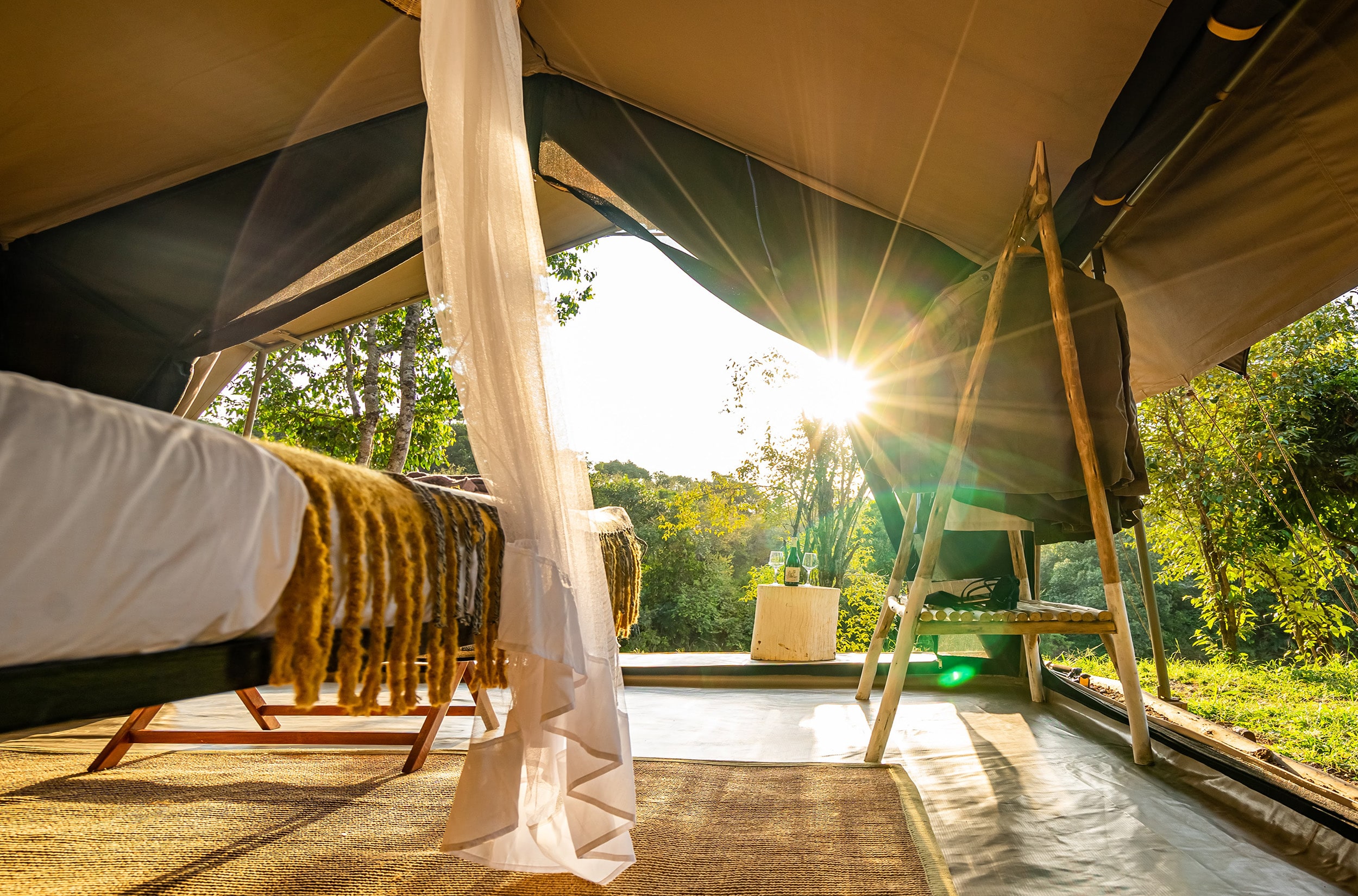
Where the river begins.
The Mara’s original luxury tented camp — fifteen tents in a riverine forest, at the source of the Sekenani. Unfenced. Maasai‑owned. Yours for a few unhurried nights.
The river is born here. Fifteen tents stand in the forest around it — and no tent can see another. The land belongs to the Maasai who host you. This is the Mara, unfiltered.
Follow the water, from the spring to the plains.
A spring in the forest
Cool, clear water rises from the ground beneath the trees. Everything downstream — the camp, the wildlife, the day — begins at this quiet point.
Where the wild walks in
Unfenced and green year-round. Genets, bush babies and vervet monkeys move through camp; the forest keeps the tents cool and hidden from one another.
Firelight and stories
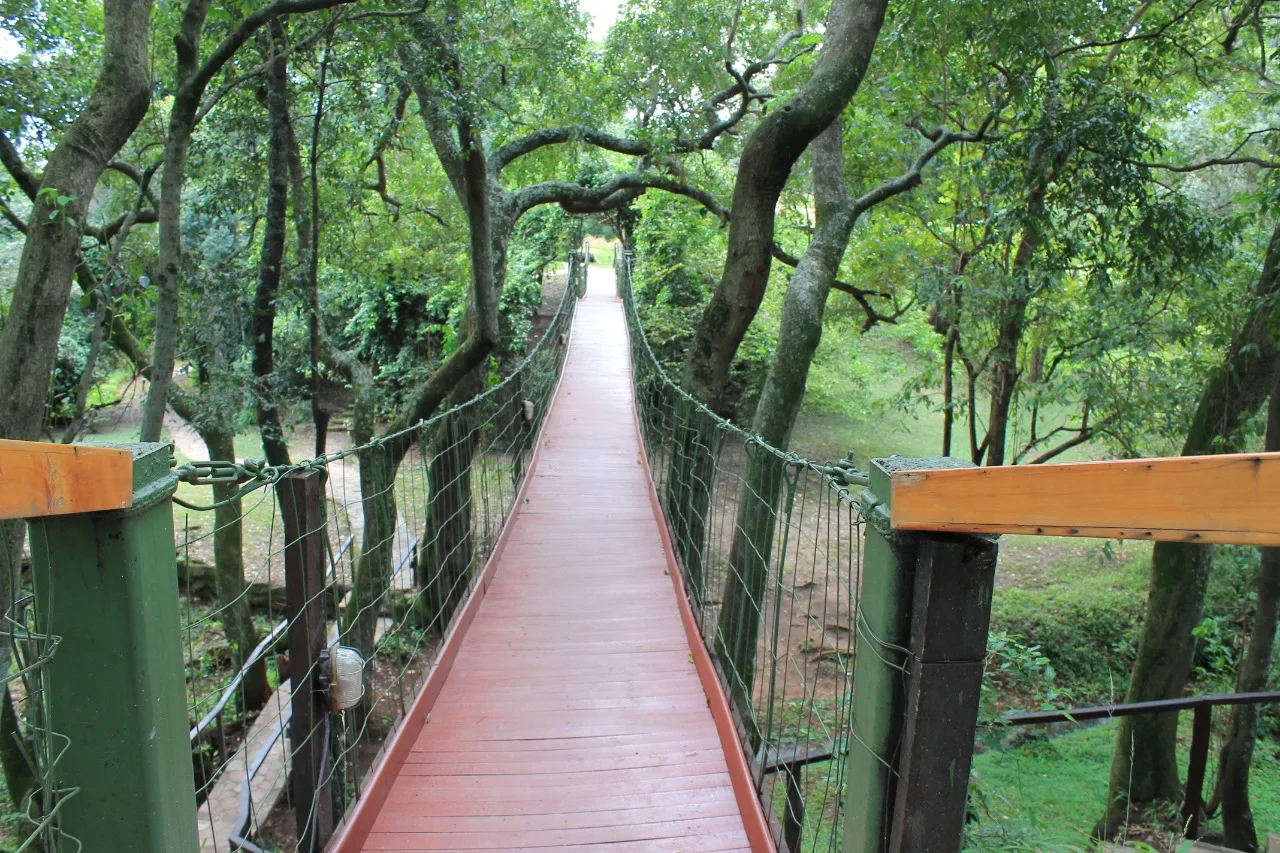
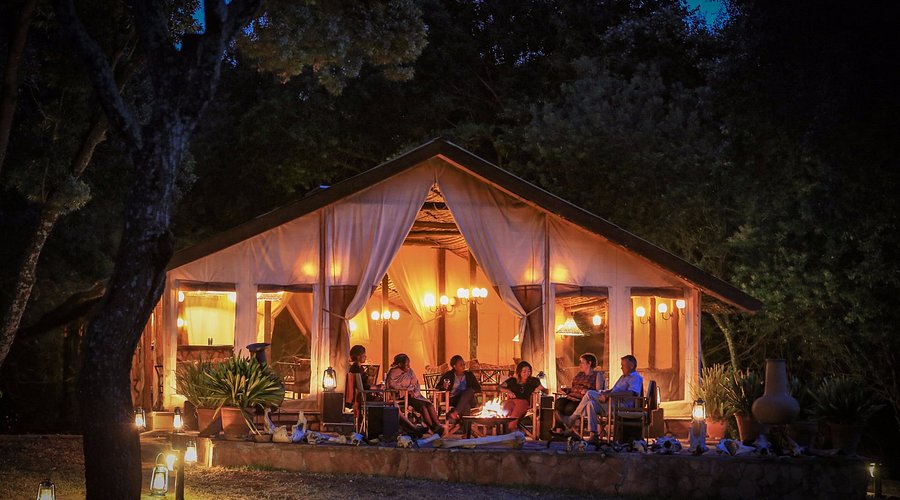
Cross the suspension bridge to the mess and the fire. A warrior walks you home by lamplight when the stories are done.
Out into the Mara
Six kilometres from Sekenani Gate, the forest opens onto the open plains — and the great herds that made this place famous.
Fifteen tents.
None in sight.
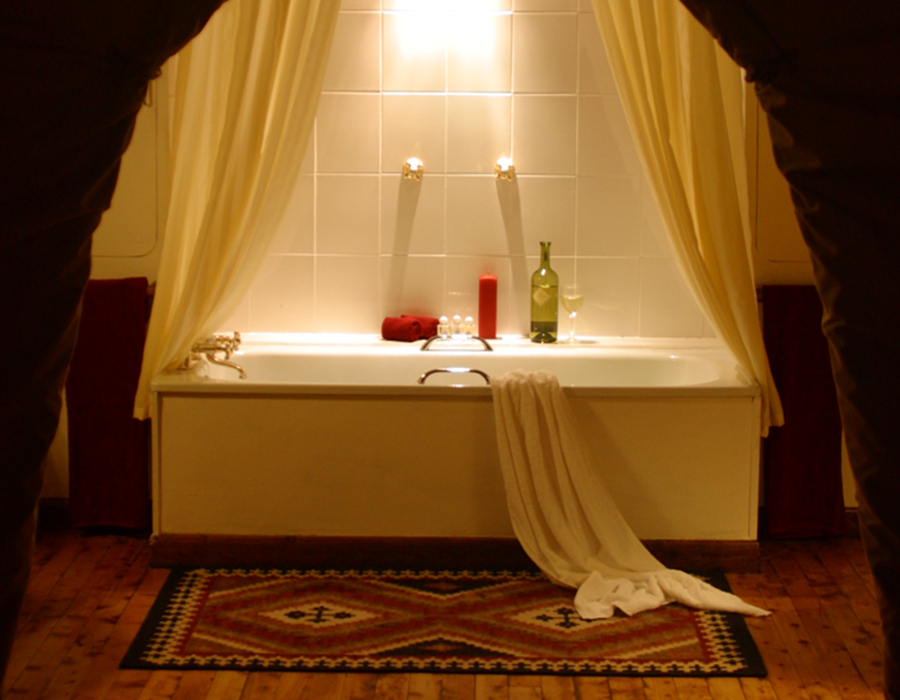
Canvas on raised wooden decks, each with a full-length bath drawn by lamplight and a veranda over the forest. We put the first bathtub in the bush here in 1992. The privacy has never changed.
See all fifteen tents →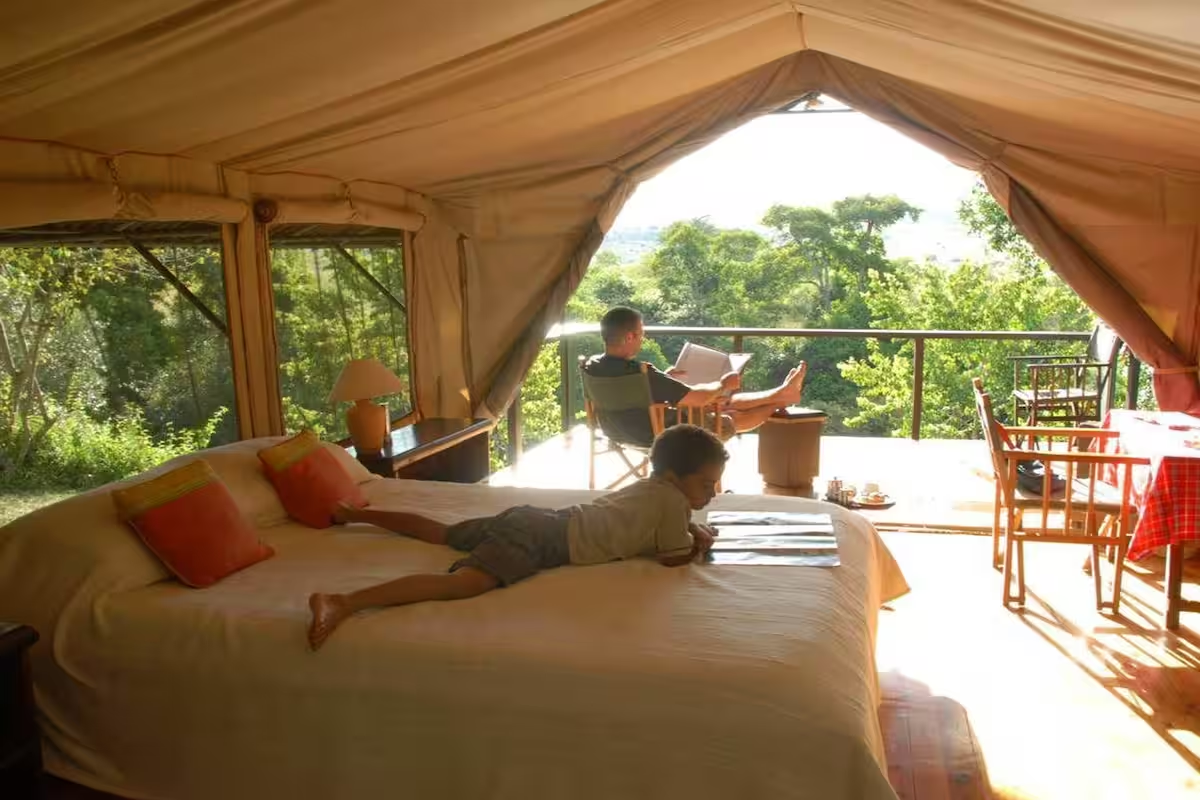
The Riverside Tent
A private deck over the stream, king bed, full-length bath. Sleeps 2.
The Honeymoon Tent
The most secluded tent in camp. Draped bed, bath for two, sunrise deck. Sleeps 2.
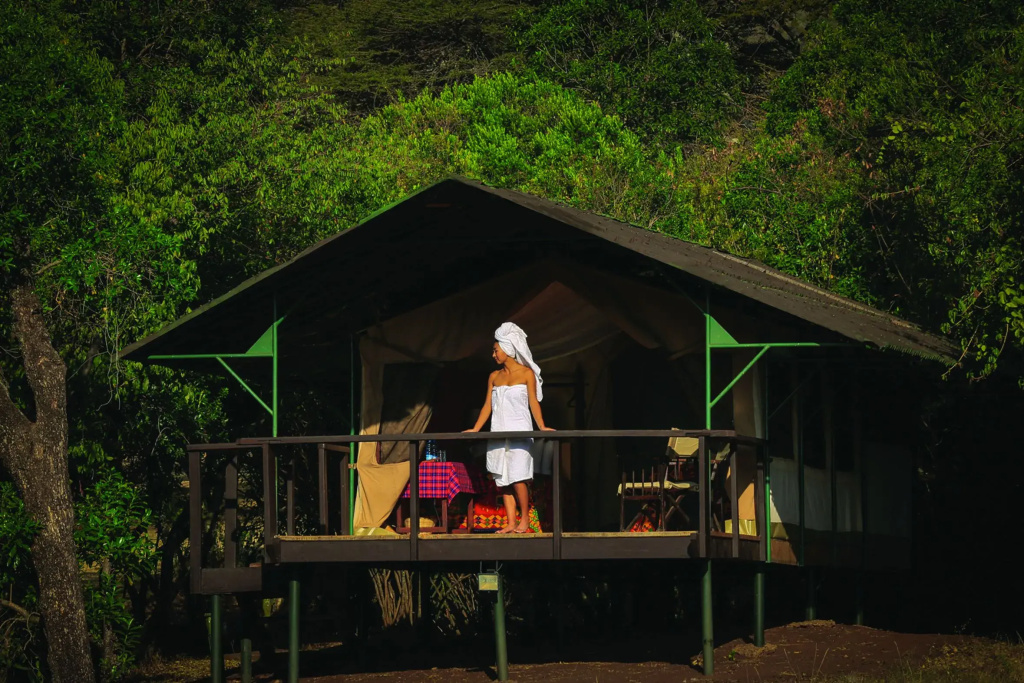
The Family Tent
Two rooms under one canvas, a shared deck, room for the children. Sleeps 4.
Original since 1992
We were the first camp in Kenya to put a full-length bathtub inside a tent — and effectively invented the tented-luxury safari the whole Mara now sells. Originality is a status the newer icons can’t buy.
Maasai-owned land
The ground you sleep on belongs to twenty-six Maasai families — the Isokon Group — who share in every guest’s stay. Your hosts are the landlords. Not a slogan; the arrangement.
The most private tents in the Mara
Fifteen tents, threaded through riverine forest so that no tent can see another. A suspension bridge separates the public camp from the private one. Honeymoon country.
Truly unfenced
On Maasai-owned land at the edge of the reserve, six kilometres from Sekenani Gate — unfenced, with the wild left to wander through. You’ll hear it before you see it — and a Maasai askari always walks you back to your tent after dark.
How the hours pass.
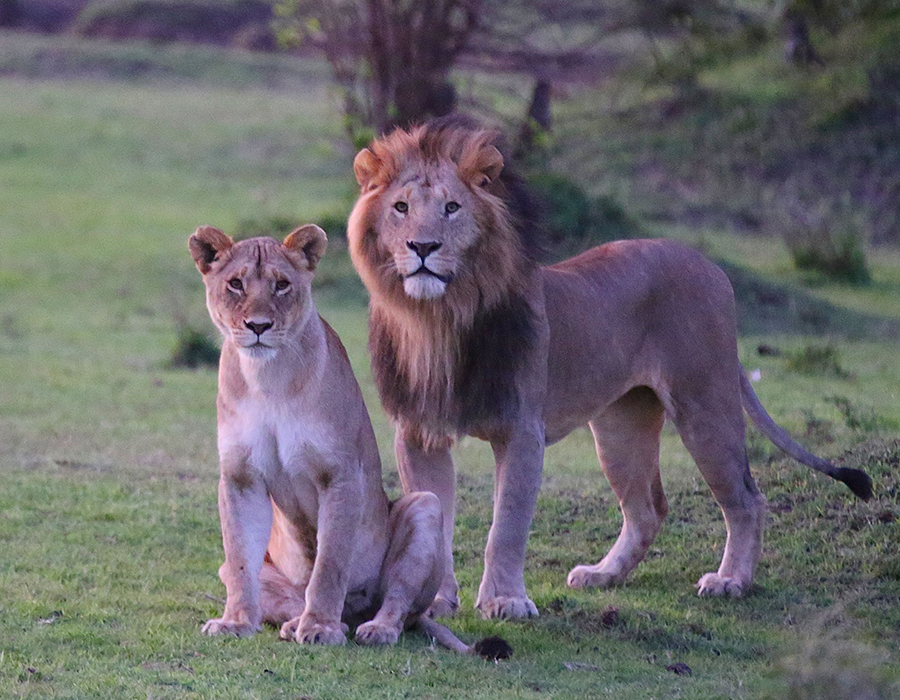
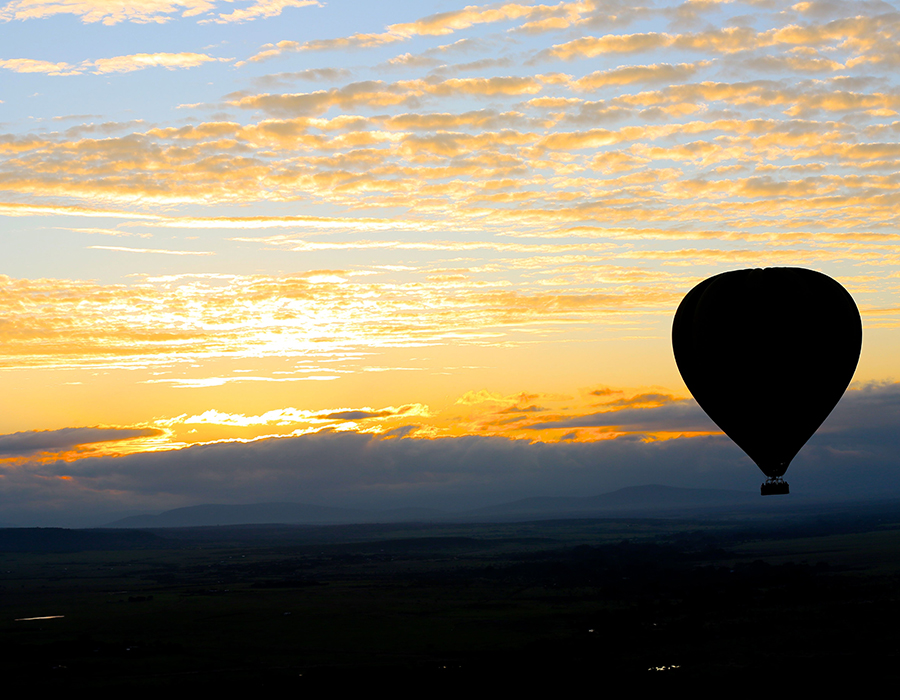
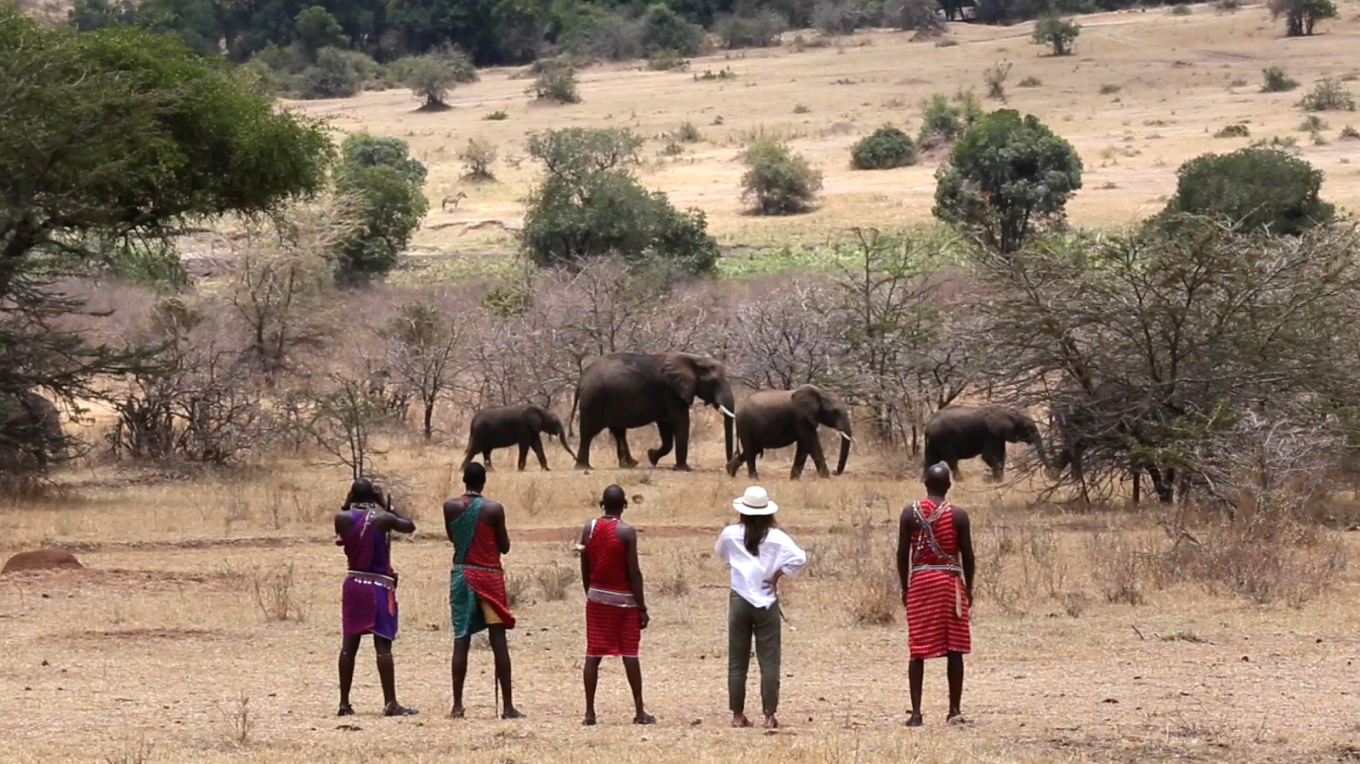
Drives at dawn, walks with Maasai guides, a balloon over the plains, dinner under the trees. Unhurried, and led by people who grew up here.
The reason guests come back is the people who work here.
“They remembered our names, our children, how we take our coffee. We arrived as guests and left feeling like family.”
Almost everyone who works at Sekenani is Maasai, from the families who own this land. They are guides, hosts, askaris, cooks and storytellers — and they are the camp.
Meet the Isokon families →“The most romantic, wildest few nights of our lives — and the kindest hosts we’ve ever met.”
Letters from the river.
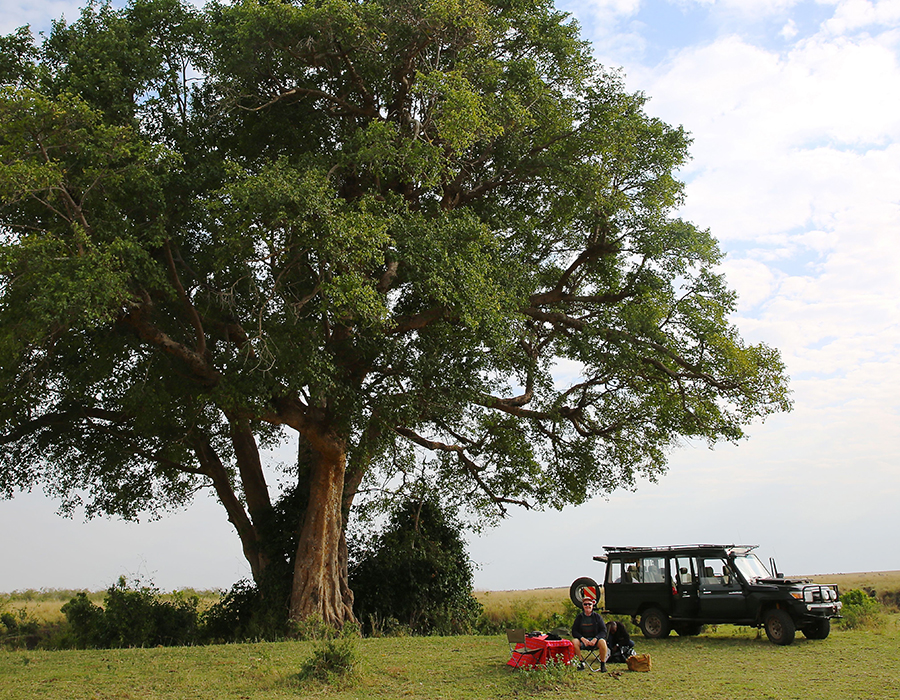
The migration, month by month
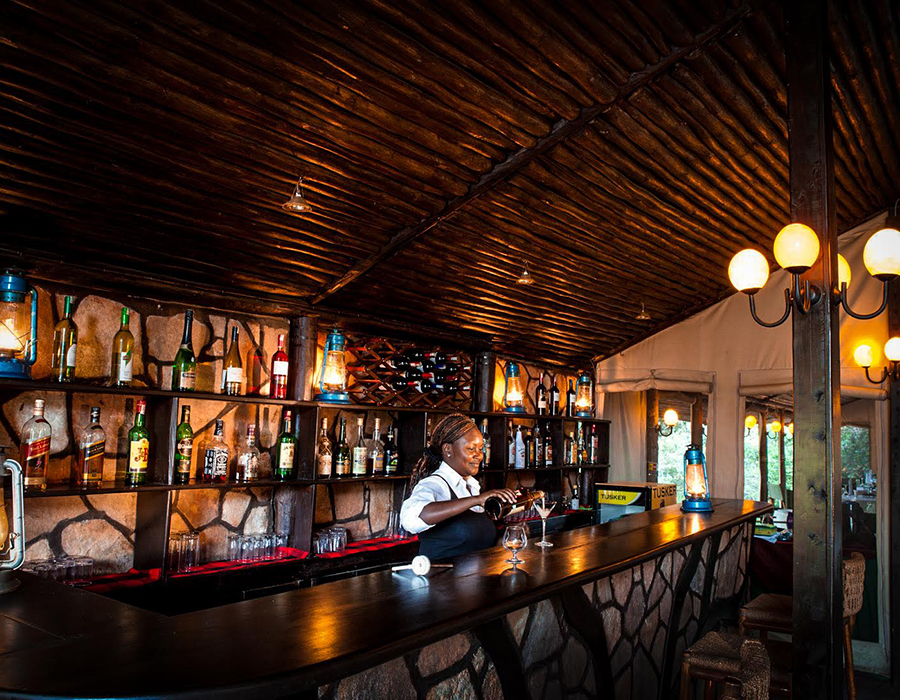
What we grow, and what we cook
From hurricane lamps to bathtubs
Occasional stories from camp.
Not offers. Not alerts. A few times a year, a letter from the river — what the season is doing, what walked through camp, what’s in the garden.